
Why Fascia Health Matters as We Age (And How to Keep It Strong)
Discover why fascia health is key to mobility, strength, and independence as you age—and how simple movement can reduce stiffness and improve wellbeing.
At Flexercise SA, we believe that ageing well starts with how you move. While muscles and joints often get the spotlight, there’s a powerful system working behind the scenes—fascia.
Understanding fascia health as we age can be the key to improving mobility, reducing stiffness, and maintaining independence.
The good news is that looking after your fascia doesn’t require drastic changes.
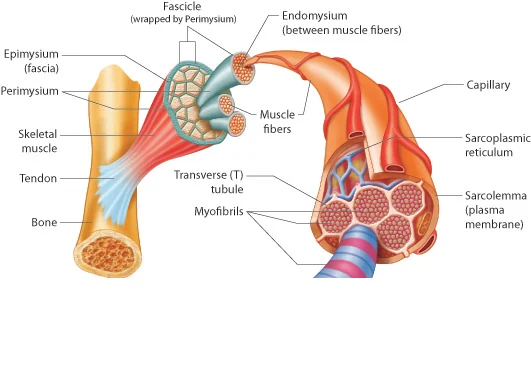
Understanding Fascia and Ageing
As we age, natural changes occur in the body—and fascia is no exception. It can lose hydration, elasticity, and its ability to glide smoothly. This is often why people notice increased stiffness, especially after periods of rest, like getting out of bed in the morning or standing up after sitting for a while.
A more sedentary lifestyle can accelerate these changes, causing fascia to become less responsive and more restrictive over time. The good news is that fascia is incredibly adaptable. With the right kind of movement, it can regain its flexibility and function, no matter your age or starting point.
Benefits of Healthy Fascia for Older Adults
1. Improved Mobility and Flexibility
Healthy fascia allows your body to move freely, making daily activities like bending, reaching, and walking easier.
2. Reduced Stiffness and Pain
Keeping fascia mobile helps relieve tension in the neck, shoulders, hips, and lower back—common problem areas.
3. Better Balance and Stability
Fascia plays a key role in coordination and stability, helping reduce the risk of falls.
4. Stronger, More Functional Movement
It supports how force moves through your body, improving overall strength in everyday tasks.
5. Better Posture
Flexible fascia helps your body stay aligned, reducing slouching and postural strain.
6. Maintaining Independence
Ultimately, healthy fascia helps you stay active, confident, and independent for longer.
How to Improve Fascia Health Naturally
You don’t need intense workouts to support fascia. The key is consistent, functional movement.
Simple Ways to Support Fascia:
- Move daily (walking, light exercise)
- Stretch regularly to maintain elasticity
- Incorporate mobility exercises
- Move in different directions (not just repetitive motions)
- Stay hydrated to support tissue health
How Flexercise SA Supports Fascia Health
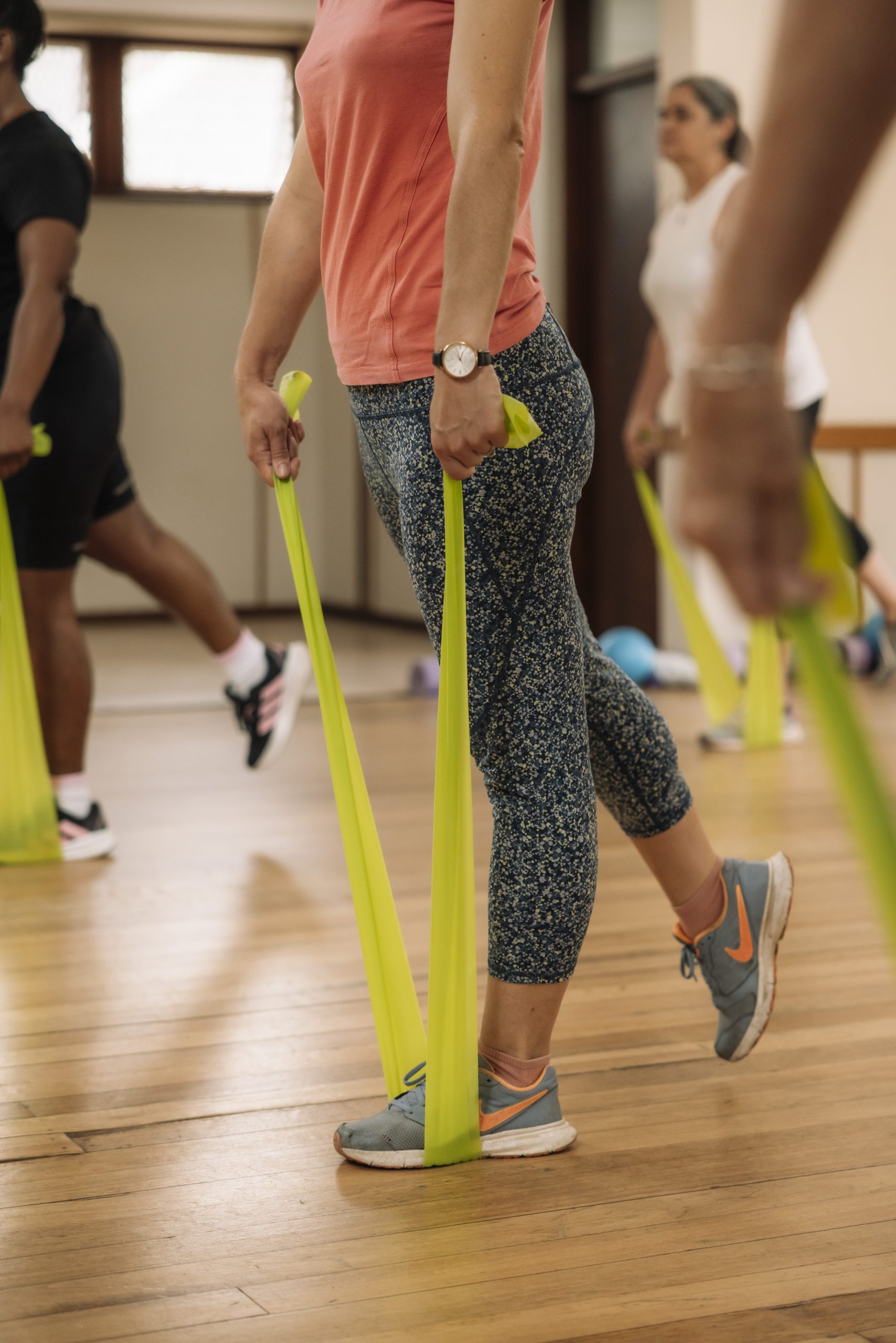
At Flexercise SA, our programmes are designed specifically to support functional movement.
We focus on:
Gentle, controlled movements
Mobility and flexibility training
Balance and coordination exercises
Movement patterns that mimic real-life activities
This approach helps improve fascia health while supporting overall strength, mobility, and confidence.
Fascia plays a vital role in how you feel every day. By improving your fascia health as you age, you’re investing in a stronger, more mobile, and more independent future.
Ready to take the next step?
Join a Flexercise SA class near you and discover how simple, guided movement can transform the way you move and feel.
(FlexerciseSA)